Call 408-257-5950 • 19000 Cox Avenue, Suite A • Saratoga, CA 95070

Cracked a Tooth? Answers to the Questions Patients Ask Most
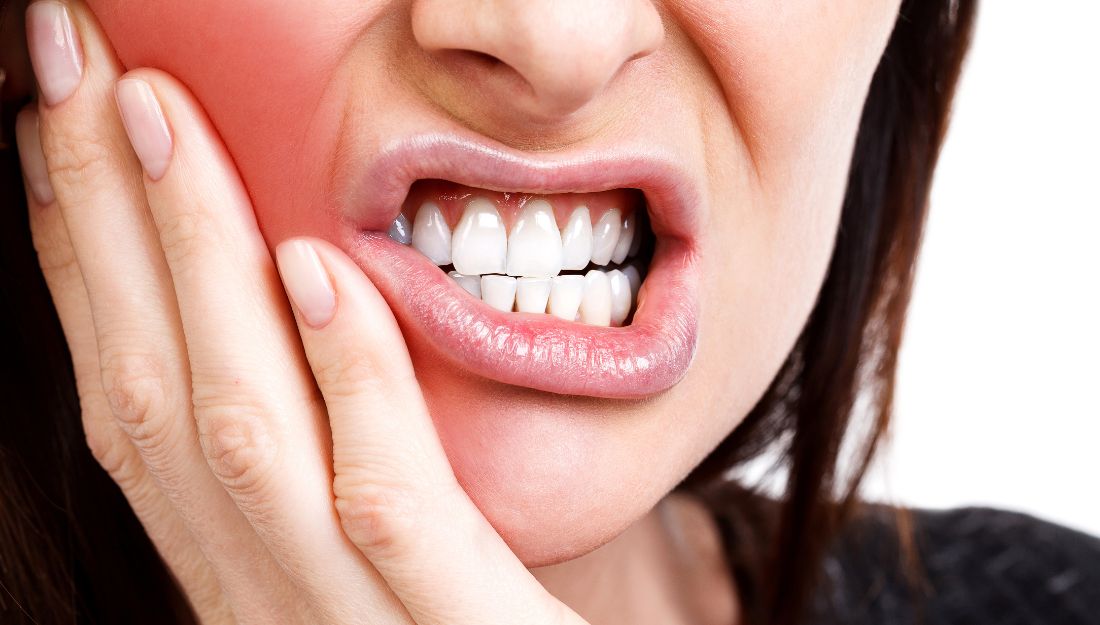
Cracking a tooth raises a lot of questions at once, usually in this order: Is this bad? Do I need to go in today? Will it just get better?
The uncertainty is often harder than the crack itself. So Dr. Daniel Araldi at Saratoga Dentistry has collected the questions patients ask most, with straight answers to each.
How do I know if I’ve actually cracked a tooth?
Sometimes it’s obvious, a visible chip or a rough edge your tongue keeps finding. Often it isn’t.
The most reliable clue is pain when you bite, and particularly a sharp twinge as you release the bite rather than as you press down. That release pain is fairly specific to cracks. Sensitivity to hot, cold, or sweet foods that comes and goes is another common sign.
Hairline cracks frequently don’t show up to the naked eye, so the tooth can look completely normal in the mirror while still being cracked.
Is a cracked tooth a dental emergency?
Sometimes, though not always.
A small crack with no pain isn’t an emergency. It should be checked, but it doesn’t need to happen today. Significant pain, swelling, bleeding, or a large visible fracture is a different matter and warrants prompt care.
The rough rule: the more it hurts and the more tooth is involved, the sooner you should be seen. If you’re not sure which category you’re in, a quick call describing your symptoms will sort it out faster than searching for answers online.
Will it heal on its own?
No, and this is the single most important thing to understand about cracked teeth.
Bone heals. Skin heals. Teeth don’t. The mineralized structure of a tooth has no mechanism for repairing itself, so a crack that exists today will still exist next month.
It will also likely be a bit larger. Every bite sends force through the tooth, and that repeated pressure works a crack outward and downward over time. A hairline fracture can, over months, deepen enough to reach the sensitive inner pulp or split off a section of the tooth. This is the whole reason dentists push for early treatment: the same repair gets more complicated the longer you wait.
Does a cracked tooth always hurt?
Not at all, and this catches people off guard.
Small cracks often cause little or no pain initially. The absence of pain feels like reassurance, but it isn’t. A painless crack is still widening under normal use, and it’s still giving bacteria a path past the enamel toward the inner tooth.
Put simply, pain tells you there’s a problem, but silence doesn’t tell you there isn’t one.
Can a tooth with a filling or crown still crack?
Yes, and teeth with large fillings are among the more likely candidates.
A tooth that has lost significant structure to a filling has less of its own material left to absorb chewing force, which puts more stress on what remains. Older fillings can also allow tiny amounts of flex over the years. A crowned tooth is generally better protected, since the crown holds the tooth together, but the root beneath can still fracture.
If you have an older restoration and you’ve started noticing pain on biting, mention it. That combination is worth a closer look.
Why does my tooth only hurt sometimes?
This is one of the most common and most confusing symptoms, and it’s characteristic of cracks rather than a sign that things are improving.
A crack only causes pain when pressure hits the tooth at the angle that flexes it. Chew at a slightly different angle, or on a softer food, and the tooth feels perfectly normal. That’s why a tooth can ache sharply at lunch and give you nothing at dinner.
The inconsistency makes people delay, understandably. But intermittent pain from a crack doesn’t fade on its own, it just waits for the right bite.
What will treatment involve?
It depends on how deep the crack goes, and the range is wide.
A minor crack or chip is often repaired with tooth-colored bonding in a single visit. A more significant crack usually calls for a crown, which caps the tooth and holds it together against chewing forces. If the crack has reached the inner pulp, a root canal may be needed to treat the tooth before it’s restored. When a tooth is fractured too severely to preserve, replacement options come into the discussion, though this is the least common outcome.
An examination is the only way to know which applies to you.
Can I eat normally in the meantime?
Mostly, with some care.
Chew on the opposite side to keep pressure off the cracked tooth, since biting down is both painful and counterproductive. You may find very hot and very cold foods trigger sensitivity, so those are worth avoiding for now. Skip sticky and hard foods entirely.
None of this means going hungry. It just means being deliberate for a few days.
Can cracked teeth be prevented?
Many can.
Avoid ice and hard candy, stop using your teeth to open things, wear a mouthguard for sports, and use a nightguard if you grind. That last one is worth taking seriously, because grinding applies force to your teeth every night for years, and it’s a leading contributor to cracks in adults who never had a single dramatic injury.
Regular dental visits help as well, since a weakened tooth or early decay can often be reinforced before it becomes a break.
How soon should I come in?
Sooner is genuinely better here, and not just as a matter of caution.
Early treatment usually means a simpler, less invasive repair, and it keeps more options on the table. If you’re in real pain or the damage is significant, come in right away. For a minor crack, a timely appointment in the next several days is appropriate.
Still Have Questions? We’re Here in Saratoga
A cracked tooth brings a lot of uncertainty, and you don’t have to sort through it alone. If you’ve cracked a tooth or have a question we didn’t cover, Dr. Daniel Araldi and the team at Saratoga Dentistry are glad to help you understand what’s happening and what comes next. Reach out to schedule a visit whenever you’re ready.