Call 408-257-5950 • 19000 Cox Avenue, Suite A • Saratoga, CA 95070

Same-Day Crowns in Saratoga: What to Expect During Your CEREC Visit
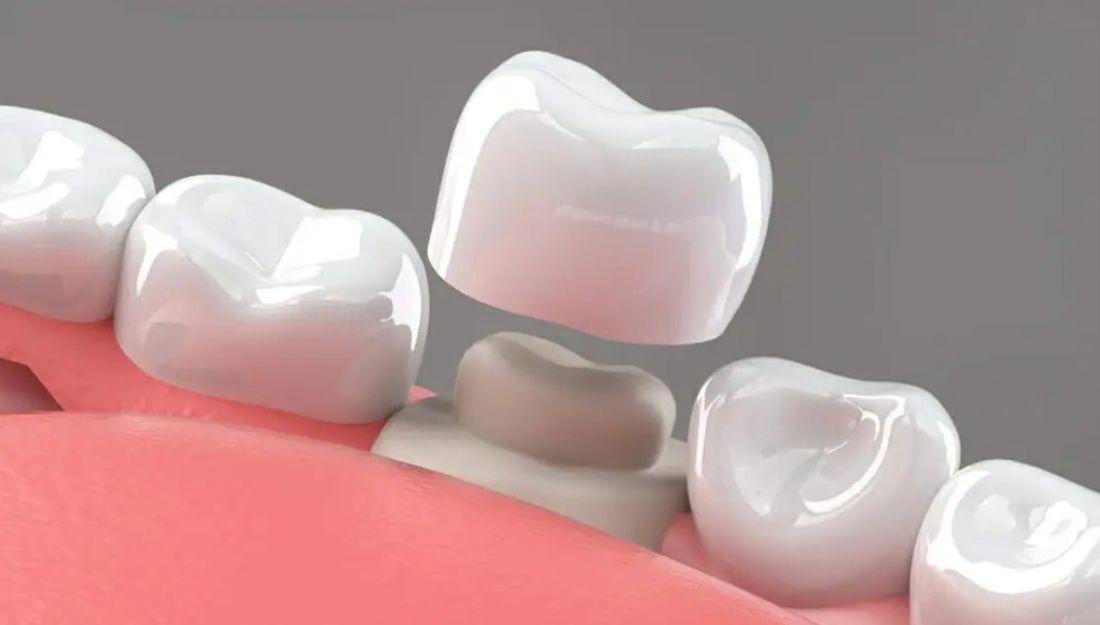
For a long time, getting a crown meant two appointments a few weeks apart, with a temporary crown holding the spot in between. Temporaries do their job, but they aren’t built to last. They can loosen, feel bulky against your tongue, or come off during a sticky dinner at exactly the wrong moment.
At Saratoga Dentistry, Dr. Daniel Araldi uses CEREC technology to design, make, and place many crowns in a single visit. If you live in Saratoga and you’ve been told you need a crown, here’s what that appointment actually looks like, from the moment you sit down to the weeks after you head home.
Before Your Appointment: Is a Same-Day Crown the Right Fit?
A crown covers and protects a tooth that’s been weakened. That might be a tooth with a large old filling that’s starting to break down, a cracked tooth, a tooth that’s had a root canal, or one that’s simply worn down over the years.
Most of these cases are good candidates for a same-day crown. Some aren’t. A tooth that needs extensive rebuilding first, an unusually complex bite, or a case involving several connected teeth might call for a different plan. Dr. Araldi reviews your X-rays and examines the tooth before recommending an approach, so you’ll know what kind of visit you’re booking.
There isn’t much you need to do to prepare. Eat a normal meal beforehand, since your mouth will be numb for a while afterward. If dental visits make you nervous, mention it when you schedule. Knowing that ahead of time helps our team plan breaks and talk you through each step as it happens.
The First Stretch: Numbing and Preparing the Tooth
The visit starts the way most restorative work does. Once the area is fully numb, Dr. Araldi removes any decay or weakened structure and shapes the tooth so a crown can fit over it snugly.
This step matters more than it might seem. The shape of the prepared tooth affects how well the crown seals, how it handles chewing forces, and how natural it looks beside its neighbors. It’s careful, detailed work.
Scanning: No More Putty Impressions
If you’ve had a crown before, you might remember biting into a tray of thick, cold impression material and waiting for it to set. Plenty of people say that was the least pleasant part of the whole experience.
With CEREC, a small handheld camera captures the prepared tooth, the teeth around it, and the opposing teeth you bite against. It takes a few minutes. The images become a detailed 3D model on a screen right beside the chair, and many patients enjoy seeing their own tooth from angles they’ve never seen before.
Design: Building Your Crown on Screen
Next, the software proposes a crown shape based on the scan. That proposal is a starting point, not the final word. Dr. Araldi refines it, adjusting the contours, the contact points with neighboring teeth, and the way the crown meets your bite.
Shade gets chosen at this stage too. The goal is a crown that disappears into your smile, so the color is matched to the teeth on either side rather than to a generic idea of “white.”
Milling: Your Crown Takes Shape
Once the design is set, it goes to an in-office milling unit. The machine carves the crown from a solid block of tooth-colored ceramic, following the digital design down to fine details.
Milling usually takes somewhere around 10 to 20 minutes, depending on the size of the crown and the material. You can relax in the chair, catch up on your phone, or just give your jaw a rest. For most patients, it’s the easiest part of the visit.
Finishing: Color, Glaze, and Strength
A freshly milled crown is close, but not quite done. Depending on the material, it may be polished by hand, or it may be stained, glazed, and fired in a small oven. Firing strengthens certain ceramics and locks in surface characterization, the subtle shifts in color and translucency that keep a crown from looking flat or chalky.
This is a big part of why same-day crowns can look so natural. The crown is designed and finished in the same office where it’s placed, while you’re right there for side-by-side comparison with your own teeth.
Placement: Try-In, Adjust, Bond
Before anything is permanent, Dr. Araldi tries the crown on your tooth and checks the fit at the edges, the contact with neighboring teeth, and your bite. You’ll be asked to bite down and slide your teeth together a few times, and small adjustments are made until it feels right.
Then the crown is bonded into place. Bonding creates a strong connection between the ceramic and your tooth, and once it’s set, you’re finished. There’s no temporary to baby along and no second appointment for the final crown.
Most same-day crown visits take around two hours, sometimes a little longer. When you book, we’ll give you a time estimate based on what your tooth needs.
Later That Day
The numbness fades over the next few hours. Wait until it’s completely gone before eating anything you have to chew, so you don’t bite your cheek or tongue without noticing.
Some tenderness in the gum around the tooth is normal for a day or two, since that tissue was worked around during preparation. An over-the-counter pain reliever usually handles it. The crown itself is ready for normal use as soon as you walk out the door.
The First Few Weeks
A new crown often feels a little different at first. Your tongue notices everything, and it’ll keep exploring the new surface for a few days before it settles in.
Your bite is the thing to watch. If the crown seems to hit first when you close, or chewing on that side feels off, give us a call. A high spot is quick to adjust, and leaving it can make the tooth sore. Mild sensitivity to cold can also show up early and usually fades on its own. Sensitivity that’s getting stronger instead of easing deserves a call too.
Keeping Your Crown Healthy Long Term
Ceramic doesn’t decay, but the tooth underneath still can, especially right at the edge where the crown meets the tooth. That margin is where plaque likes to collect, so daily care focuses there.
- Brush twice a day, angling the bristles toward the gumline around the crown.
- Floss every day. Slide the floss down the side of the crown and curve it around the tooth, rather than snapping it straight down.
- Protect it from grinding. If you clench or grind at night, a night guard shields your crown and your natural teeth alike.
- Don’t use your teeth as tools. Tearing open packages and chewing ice are hard on any tooth, crowned or not.
- Keep up with your checkups. We’ll look at the crown’s edges, the surrounding gum tissue, and your bite at every visit.
With good care, a ceramic crown can serve you well for many years. How long it lasts depends far more on your daily habits and regular visits than on anything that happens in the chair on crown day.
Schedule a Same-Day Crown Consultation in Saratoga
If you have a cracked tooth, a large filling that’s wearing out, or you’ve been told a crown is in your future, we’d be glad to talk through your options. Dr. Araldi will examine the tooth, explain whether a same-day CEREC crown makes sense for you, and answer your questions before anything begins. Contact Saratoga Dentistry to schedule a visit with our team in Saratoga.